


Exotic Pet Care in Corpus Christi: Seasonal Humidity & Habitat Management for Reptiles and Small Mammals
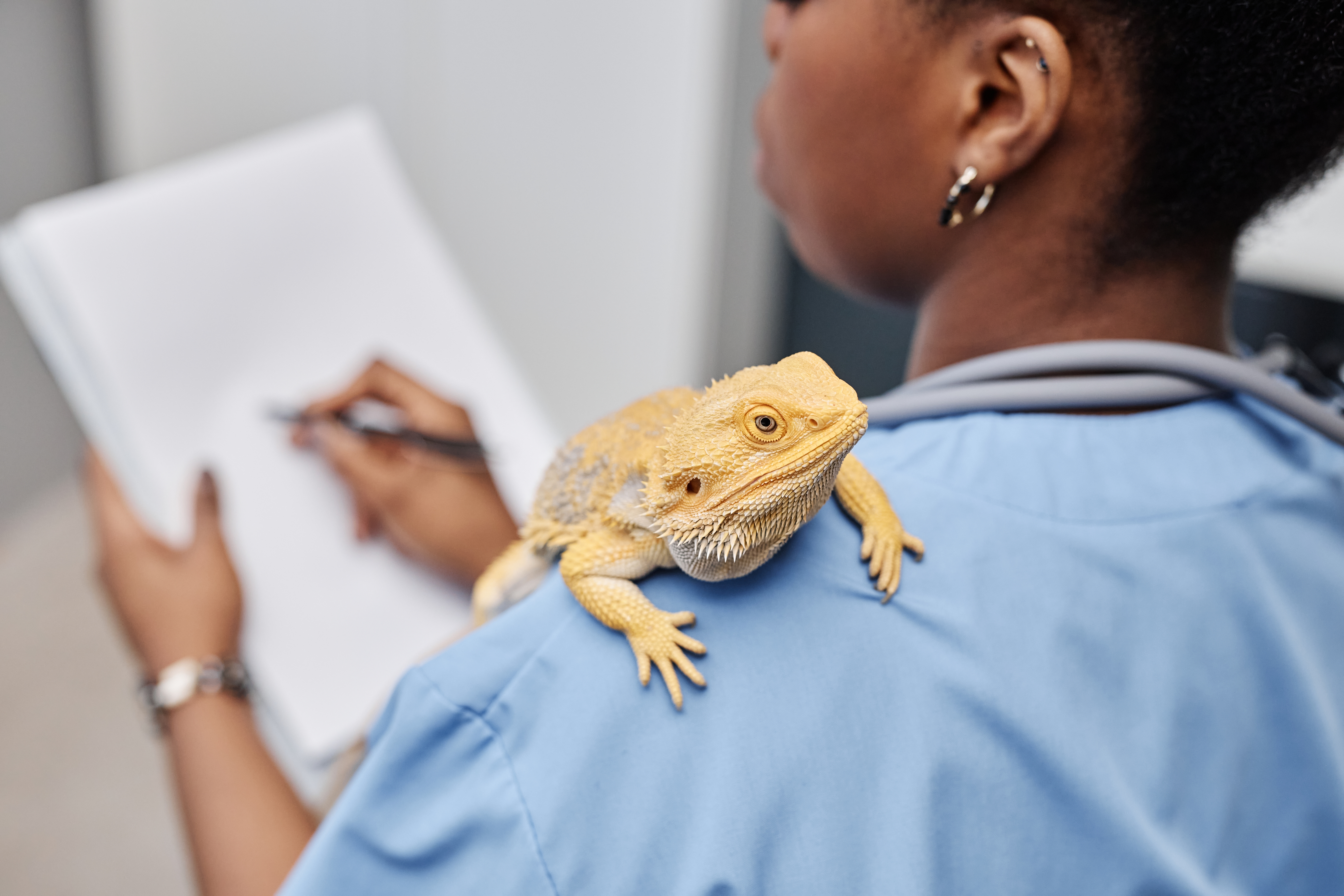
Corpus Christi's coastal climate can present unique challenges for exotic pet owners, especially when it comes to controlling humidity and temperature. Reptiles and small mammals have specific environmental needs, and changes in their habitat can affect their comfort and overall health. At Animal Hospital of Padre Island, we want pet owners to understand how seasonal conditions can impact exotic pets and what steps they can take to maintain a safe, healthy living environment.
How Corpus Christi's Humidity Affects Exotic Pets
Reptiles and small mammals have different environmental needs, making proper habitat management essential. While some reptiles thrive in humid conditions, others require drier environments to prevent skin and respiratory problems.
For example, tropical reptiles may benefit from higher humidity levels, while desert-dwelling species need carefully controlled moisture. Excessive humidity can contribute to bacterial or fungal growth, while insufficient moisture may cause dehydration or shedding difficulties.
Small mammals, including rabbits, guinea pigs, and hamsters, can also experience discomfort when indoor environments become too warm or poorly ventilated. Maintaining consistent conditions helps reduce environmental stress.
Essential Habitat Management Tips for Exotic Pets
Whether you own a bearded dragon, gecko, rabbit, or guinea pig, seasonal habitat adjustments can help maintain a healthier living environment.
Here are several important exotic pet care tips for Corpus Christi owners:
• Monitor humidity levels: Use a reliable hygrometer to maintain the appropriate humidity range for your pet's species.
• Regulate enclosure temperatures: Provide species-appropriate heating and cooling areas, and avoid direct sunlight that could overheat enclosures.
• Maintain proper ventilation: Encourage airflow to reduce excess moisture, mold growth, and respiratory irritation.
• Clean habitats regularly: Replace soiled bedding, remove waste, and disinfect surfaces with pet-safe cleaning products.
• Provide fresh water: Keep clean drinking water available and follow species-specific hydration requirements.
Regularly checking habitat conditions is especially important during seasonal transitions when indoor heating or air conditioning changes temperature and humidity levels.
Seasonal Care Considerations for Reptiles
Reptiles depend on external heat sources to regulate their body temperature. Even in Corpus Christi's warm climate, indoor temperature fluctuations can affect their digestion, metabolism, and activity levels. Proper reptile care involves maintaining suitable temperature gradients, providing species-appropriate UVB lighting, and adjusting moisture levels when necessary.
Owners should also watch for abnormal shedding, reduced appetite, unusual inactivity, or breathing difficulties. These symptoms may indicate environmental problems or underlying health concerns that require veterinary attention.
Protecting Small Mammals from Heat and Humidity
Rabbits, guinea pigs, and other small mammals are particularly vulnerable to overheating. High temperatures combined with humidity can make it difficult for these animals to stay comfortable.
Keep enclosures indoors in climate-controlled areas, away from windows, direct sunlight, and excessive moisture. Use appropriate bedding that stays dry and allows for adequate airflow.
Changes in eating habits, decreased activity, drooling, or unusual breathing should never be ignored. Difficulty breathing, collapse, or signs of heatstroke require immediate veterinary attention.
Veterinary Guidance for Exotic Pet Health in Corpus Christi
Proper habitat management plays an important role in preventing environmental health problems. Because reptiles and small mammals have specialized needs, veterinary guidance can help owners recognize potential concerns and make appropriate adjustments.
Contact Animal Hospital of Padre Island to discuss appropriate care options for your pet's species. Visit our facility in Corpus Christi, Texas, or call (361) 949-8200 today.


Hours
Monday 7:00 am - 6:00 pm
Tuesday 7:00 am - 6:00 pm
Wednesday 7:00 am - 6:00 pm
Thursday 7:00 am - 6:00 pm
Friday 7:00 am - 6:00 pm
Saturday Closed
Sunday Closed
Monday 7:00 am - 6:00 pm
Tuesday 7:00 am - 6:00 pm
Wednesday 7:00 am - 6:00 pm
Thursday 7:00 am - 6:00 pm
Friday 7:00 am - 6:00 pm
Saturday Closed
Sunday Closed

Powered by: 