


Why Is My Dog Drooling and Swollen After a Beach Trip? Identifying Jellyfish Stings & Salt Poisoning on Mustang Island
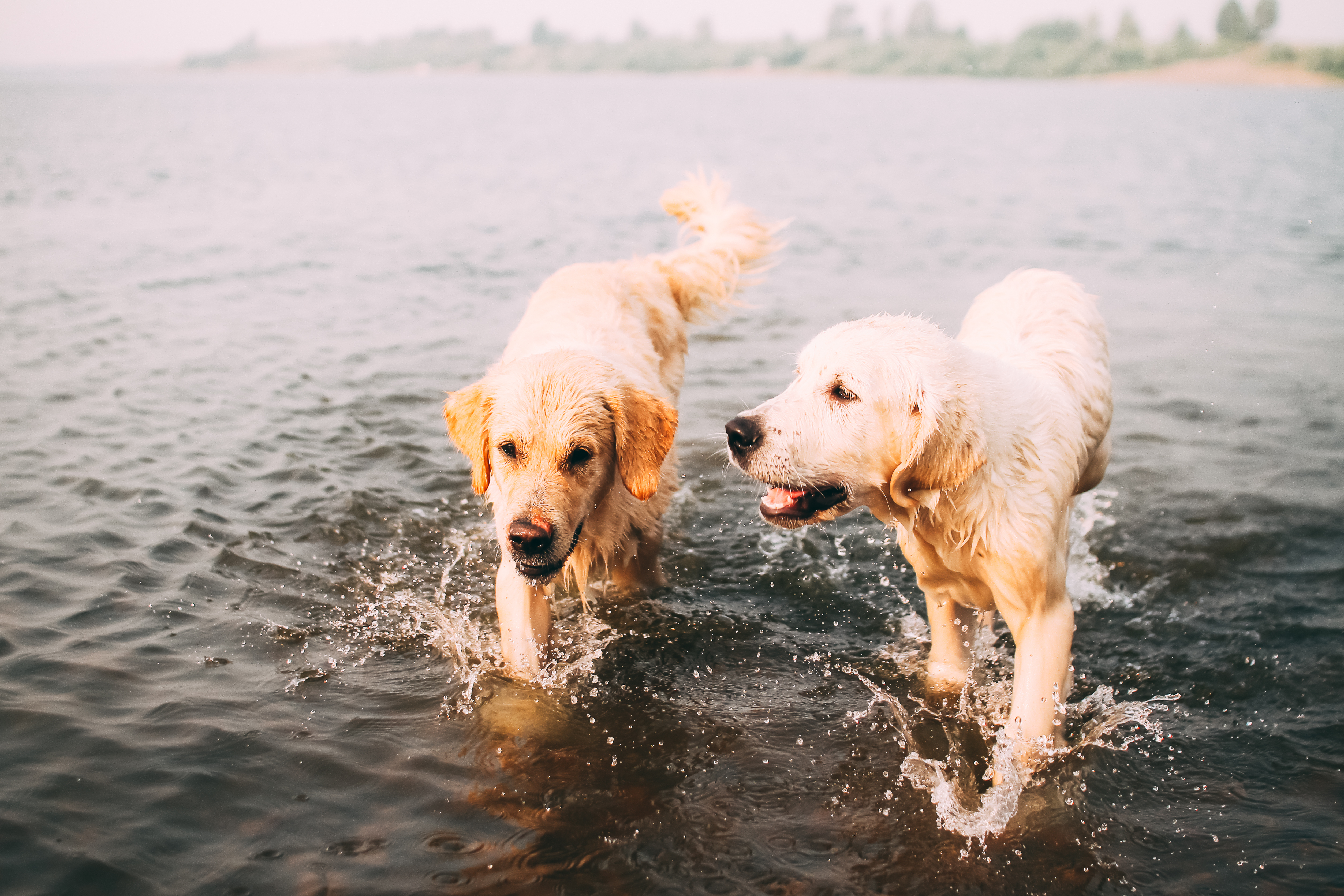
A beach trip to Mustang Island can be a great experience for your dog, but unexpected exposure to marine life and saltwater can lead to serious health concerns. If your dog develops excessive drooling, facial swelling, or unusual behavior after visiting the beach, it may indicate a jellyfish sting, salt poisoning, or another medical problem requiring veterinary attention.
How Jellyfish Stings Affect Dogs
Jellyfish and other stinging marine life can pose hazards along Mustang Island's shoreline. Dogs may accidentally step on, sniff, lick, or bite jellyfish washed onto the sand. Even stranded jellyfish can retain the ability to sting.
Common reactions include redness, localized swelling, pain, excessive drooling, and pawing at the mouth. Dogs stung around the lips or inside the mouth may experience significant discomfort and swelling.
Recognizing Salt Poisoning in Dogs
Dogs playing in the Gulf of Mexico sometimes swallow seawater while swimming, chasing waves, or retrieving toys. Excessive saltwater consumption can cause hypernatremia, a dangerous increase in blood sodium levels.
Early symptoms may include vomiting, diarrhea, excessive thirst, and lethargy. Severe salt poisoning can progress to muscle tremors, loss of coordination, seizures, and potentially life-threatening complications.
Unlike jellyfish stings, salt poisoning does not typically cause localized facial swelling. However, both conditions can occur during the same beach outing.
Signs Your Dog May Need Veterinary Care After a Beach Trip
If your dog develops unusual symptoms after visiting the beach, watch for:
• Excessive drooling or repeated pawing at the mouth
• Swelling around the muzzle, lips, or tongue
• Vomiting, diarrhea, or excessive thirst
• Weakness, confusion, or difficulty walking
• Tremors, seizures, or difficulty breathing
These symptoms warrant prompt veterinary assessment. Trouble breathing, rapidly worsening facial swelling, seizures, or collapse require immediate emergency care.
What to Do If Your Dog Shows Symptoms
If you suspect a jellyfish sting, move your dog away from the shoreline and prevent further contact. Avoid rubbing the affected area. Visible tentacles on the skin can be carefully removed with protective gloves or tweezers, and seawater may be used to gently rinse the area. Avoid freshwater rinses or home remedies such as vinegar unless directed by a veterinarian.
If your dog swallowed excessive seawater, seek veterinary advice immediately. Offer access to fresh drinking water, but do not force fluids or attempt to treat suspected salt poisoning at home. Our veterinary team can assess your dog's symptoms and determine the appropriate treatment.
Preventing Beach-Related Emergencies
Keeping your dog away from stranded marine life, offering frequent fresh-water breaks, and supervising swimming activities can reduce beach-related risks. Always monitor your dog for unusual symptoms during and after outdoor activities.
If your dog experiences drooling, facial swelling, or signs of salt poisoning, contact Animal Hospital of Padre Island for prompt veterinary guidance and care. Visit our facility in Corpus Christi, Texas, or call (361) 949-8200 today.


Hours
Monday 7:00 am - 6:00 pm
Tuesday 7:00 am - 6:00 pm
Wednesday 7:00 am - 6:00 pm
Thursday 7:00 am - 6:00 pm
Friday 7:00 am - 6:00 pm
Saturday Closed
Sunday Closed
Monday 7:00 am - 6:00 pm
Tuesday 7:00 am - 6:00 pm
Wednesday 7:00 am - 6:00 pm
Thursday 7:00 am - 6:00 pm
Friday 7:00 am - 6:00 pm
Saturday Closed
Sunday Closed

Powered by: 